New
New















Pumpkin Picking and Painting at Trevaskis Farm
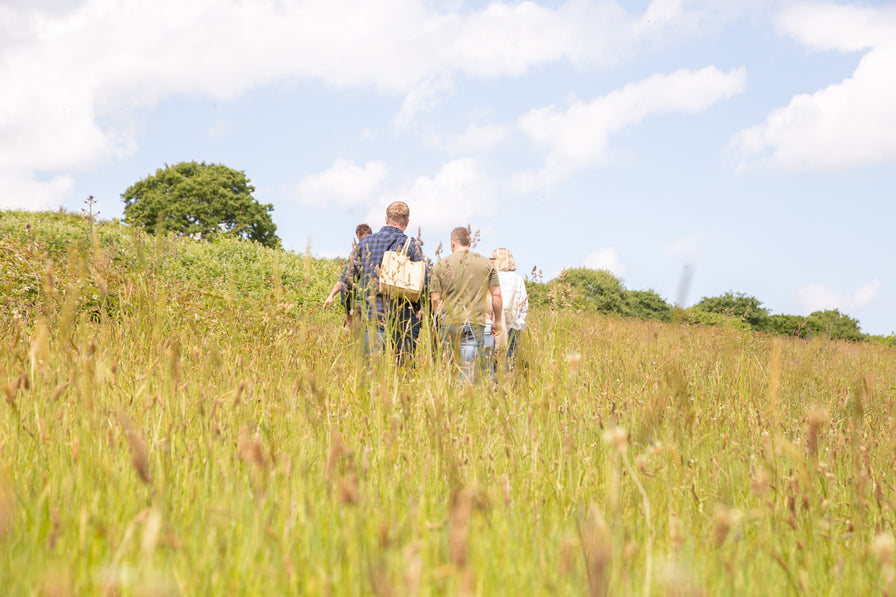
Sometimes the best way to find a new idea is to leave the desk behind. The Whistlefish Design Team swapped the studio for woolly jumpers, wellies and an autumn adventure at Trevaskis Farm in Cornwall, ready to explore the pumpkin patch and see where the day might lead.

Setting Out for the Pumpkin Patch
The first part of the adventure was simply to wander. Trevaskis Farm’s seasonal fields offered a change of pace from the studio, with open countryside, crisp air and rows of pumpkins waiting to be discovered.
Pick-your-own availability changes with the seasons, so it is worth checking the Trevaskis Farm website before planning a visit.

Using the Patch as a Sketchbook
Creative inspiration often begins with noticing. Instead of searching immediately for the largest or most perfectly shaped pumpkin, we slowed down to look at the details: curled stems, ridged surfaces, warm orange skins and unexpectedly pale varieties.
Those small differences quickly suggested ideas. A long stem could become part of a character, an uneven surface could inspire a loose botanical pattern, and a tiny pumpkin might suit a simple design better than something grand.

Choosing a Pumpkin with Character
Give yourself time to explore before making a choice. Turn each pumpkin gently and look at it from several angles. The most interesting shape may not be the most symmetrical one.
- Look for a surface with enough space for the design you have in mind.
- Choose a pumpkin that sits steadily on its base.
- Notice the natural lines and markings that could become part of your artwork.
- Pick a size that will be comfortable to carry and paint.

Bringing the Design to Life
Once we had chosen our pumpkins, the patch became an outdoor studio. Each designer followed a different idea, from dots and flowers to playful Hallowe’en characters. The variety was part of the fun: there was no need for every pumpkin to match.
What to Bring
- A clean, dry pumpkin
- Acrylic paints in a small selection of colours
- Paintbrushes in two or three sizes
- A pencil for lightly planning the design
- Water, a cloth and a simple paint palette
- Newspaper or cardboard to protect the work surface
How to Paint Your Pumpkin
- Wipe the surface clean and allow it to dry fully.
- Sketch the main shapes lightly in pencil, or begin painting freely if you prefer.
- Build the colour in thin layers, allowing each one to dry before adding the next.
- Add smaller lines, dots and details once the main areas are complete.
- Leave the finished pumpkin somewhere dry and well ventilated until the paint has set.

Following Inspiration Rather Than a Plan
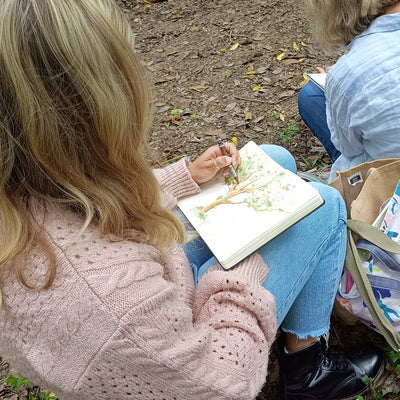
Not every creative adventure needs a finished idea at the beginning. If you feel stuck, choose one detail from the surroundings and use it as a starting point. It might be the colour of a leaf, the shape of a seed head or the pattern created by rows in the field.
Try taking a few photographs or making quick notes as you explore. The aim is not to copy the landscape exactly, but to collect colours, shapes and feelings that can be interpreted in your own way.

Why a Change of Scene Helps
Stepping into a different setting can shift the way you look at familiar creative problems. The pace of walking, the texture of the landscape and the unexpected details found outdoors can all lead the mind in a new direction.
For our team, the combination of fresh air, warm drinks and time spent making together brought fresh energy to the day. More importantly, it reminded us that creativity does not always arrive while sitting at a desk. Sometimes it begins with muddy boots and a curious eye.

Plan Your Own Creative Autumn Adventure
- Check seasonal opening and picking information before travelling.
- Wear warm layers and shoes suited to muddy ground.
- Bring a notebook or phone for recording colours, shapes and ideas.
- Pack only the art materials you genuinely need.
- Leave enough time to explore without rushing towards the finished result.
Your creative adventure does not have to involve pumpkins. A coastal walk, woodland visit or afternoon in a garden can offer just as many starting points. What matters is taking the time to notice, experiment and enjoy making something of your own.
Whistlefish Journal
All blogs are created by our wonderful in-house team.
Our latest blogs
Behind the Design: Creating Our Art & Cards